As Vietnam continues to rank among Asia’s top destinations for foreign investment, we are committed to keeping our global audience informed about key developments through the Kenno Vietnam Pulse series.
The Vietnamese stock market was up 10.6% in USD in April. However, more than 80% of the gains were driven by just two stocks, Vingroup (VIC) and Vinhomes (VHM), while the broader market remained flat. During the month, FTSE Russell confirmed the timeline for Vietnam’s upgrade to Emerging Market status, while the State Bank pushed banks to lower interest rates and improve liquidity conditions. Despite this, neither development had a visible impact on market performance in April.
Stock Market Movement
In April, the VN Index increased 10.6% in USD, but performance was driven by just a few stocks. Over 80% of gains came from Vingroup (VIC) and Vinhomes (VHM), supported by strong reported earnings, a surge in presales driven by bulk transactions, continued momentum in large-scale project launches, and sentiment linked to the broader Vingroup ecosystem, including its electric vehicle (EV) business. Banks also contributed more than 16% of the VN Index’s gains, led by Techcombank (TCB), Sacombank (STB), and VPBank (VPB), although their impact remained well below that of VIC and VHM. Outside of these names, most sectors remained flat, and the index did not reflect broader market movement.
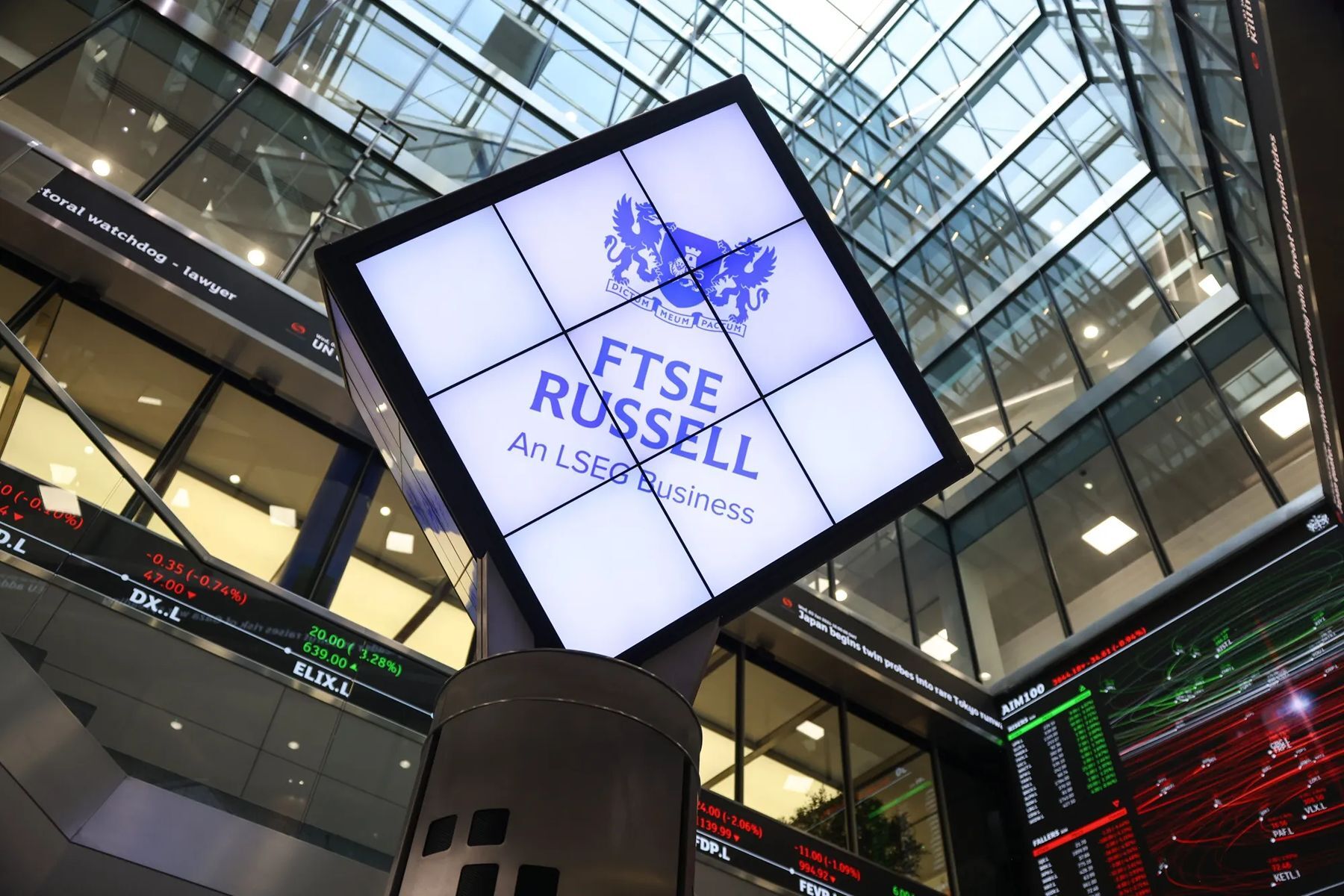
Early in the month, FTSE Russell confirmed the timeline for Vietnam’s upgrade to Secondary Emerging Market status, with implementation starting in September 2026 and phased through 2027. The phased approach reduces the likelihood of concentrated inflows over a short period. This provides a clearer timeline for index inclusion and allows foreign investors to gradually build positions ahead of expected index-driven capital flows into the market. Meanwhile, Vietnam has made clear progress in market infrastructure upgrades, including electronic trade processing systems, the development of a central counterparty clearing mechanism, and other features aligned with Emerging Market standards. Together, these developments are expected to improve stock market efficiency and attract greater foreign participation, supporting capital inflows and valuations.
As market performance in April was driven by a small number of stocks, a broader recovery will depend on earnings growth across sectors and capital flowing into a wider range of companies. Our portfolio remains focused on consumer-oriented businesses with strong fundamentals and sufficient scale, which we expect to benefit as market participation broadens beyond a narrow group of large-cap names. Several of our portfolio companies have also been identified by FTSE Russell for potential index inclusion, positioning them to benefit from future capital inflows.
Macroeconomic Developments
Following government leadership changes in early April, the Prime Minister emphasized that Vietnam would not pursue high growth at the expense of macroeconomic stability. This was followed by the State Bank pushing banks to lower deposit rates after a period of tight funding conditions in the banking system, during which deposit rates had risen above 9% at smaller banks, such as VPBank and HDBank, for 6–12-month tenors. At the same time, credit growth for 2026 is being managed more tightly at around 15% and directed toward manufacturing and other productive sectors, supporting output growth and employment. Together, lower borrowing costs and stable income growth are expected to support domestic consumption and the broader economy.
Rising global gas prices contributed to higher inflation, which reached a five-year high of 4.7% year-over-year (YoY) in March (National Statistics Office). While this introduced some cost pressure, the impact on the domestic economy remains contained. The Ministry of Industry and Trade and the Ministry of Commerce both confirmed that fuel supply is secured for April–May 2026 through increased imports and stable output from domestic refineries, while maintaining buffer inventories to meet demand. Contingency measures have also been outlined in case global prices rise further, including adjusting fuel taxes, optimizing refinery operations, and disbursing the price stabilization fund. These measures help limit cost pass-through to consumers and reduce the risk of broader pressure on purchasing power.
Meanwhile, GDP grew 7.8% YoY in the first quarter, with retail sales expanding 10.9% and public investment increasing 40%, according to the National Statistics Office. These trends show that consumption remains a key driver of growth, reflecting improving income levels and infrastructure spending. Combined with controlled energy-related inflation and easing funding conditions, this supports earnings visibility in consumer sectors, which remain central to our portfolio positioning.
Sector Highlights
In April, inspections increased across consumer sectors, particularly around product origin, traceability, and food safety. These measures raise compliance requirements and increase pressure on informal businesses, accelerating the shift toward more formal retail channels. Established brands, such as our holdings Masan Group (MSN) in consumer staples and FPT Retail (FRT) in pharmaceuticals, are gaining market share as enforcement tightens.
In another development, Ho Chi Minh City is piloting pork trading through a commodity exchange, where pork is traded through a centralized platform with transparent pricing and standardized quality, instead of fragmented middlemen networks. The aim is to shorten supply chains and improve price transparency. Selected retailers, including Bach Hoa Xanh (BHX) chain of Mobile World Corporation (MWG), are participating in the initial phase of the program. This platform should support more structured distribution and benefits branded meat suppliers such as our portfolio company Masan MEATLife (MML), which operates integrated farming and processing models and has access to modern retail channels through WinCommerce.
In the property sector, expanded eligibility thresholds for government-supported affordable housing under a new decree now allow individuals earning up to VND 25 million per month (around USD 950) and couples up to VND 50 million (around USD 1,900) to qualify for these housing programs, compared to previous thresholds of VND 15 million and VND 30 million. This broadens access to include more middle-income households and strengthens demand from end-users rather than speculative buyers. For developers focused on this segment, such as our portfolio company Nam Long Group (NLG), this provides a more stable demand base and earnings visibility.
The Month at Kenno
In April, we participated in annual general meetings across our portfolio, engaging with management teams on governance and capital allocation to enhance shareholder returns. Our proposals were implemented at Traphaco (TRA), where the company approved a one-off dividend to distribute excess cash to shareholders and is considering management restructuring. Meanwhile, Kenno’s Giang Nguyen was appointed Chairwoman of TNH Hospital Group (TNH)’s board and led the company’s first adoption of the ASEAN Corporate Governance Scorecard. These actions reflect our active ownership approach and focus on strengthening governance and shareholder returns.
While April’s market gains were driven by a few stocks linked to near-term catalysts in banking and real estate, we remain focused on consumer-oriented companies supported by structural demand. With trading activity affected by a shortened final week of the month due to multiple public holidays in Vietnam, we expect market activity to normalize in May, allowing underlying earnings growth to be reflected more clearly in share prices.
Stay in the know!
And that wraps up this month’s edition of Kenno Vietnam Pulse. We hope you found these updates helpful in understanding Vietnam’s market and investment landscape. To receive future editions directly in your mailbox, feel free to subscribe to our monthly newsletter. If you would like a closer look at investment opportunities in Vietnam, we invite you to connect with us.